
How to Keep Your Florida Home Cool During a Home Addition Project
Adding space to your Florida home is exciting, but living through construction during the hot summer months presents unique challenges. This practical guide helps you maintain comfort and manage indoor temperatures while your home addition is underway, with strategies that work in Central Florida’s demanding climate.
Understanding the Temperature Challenge During Construction
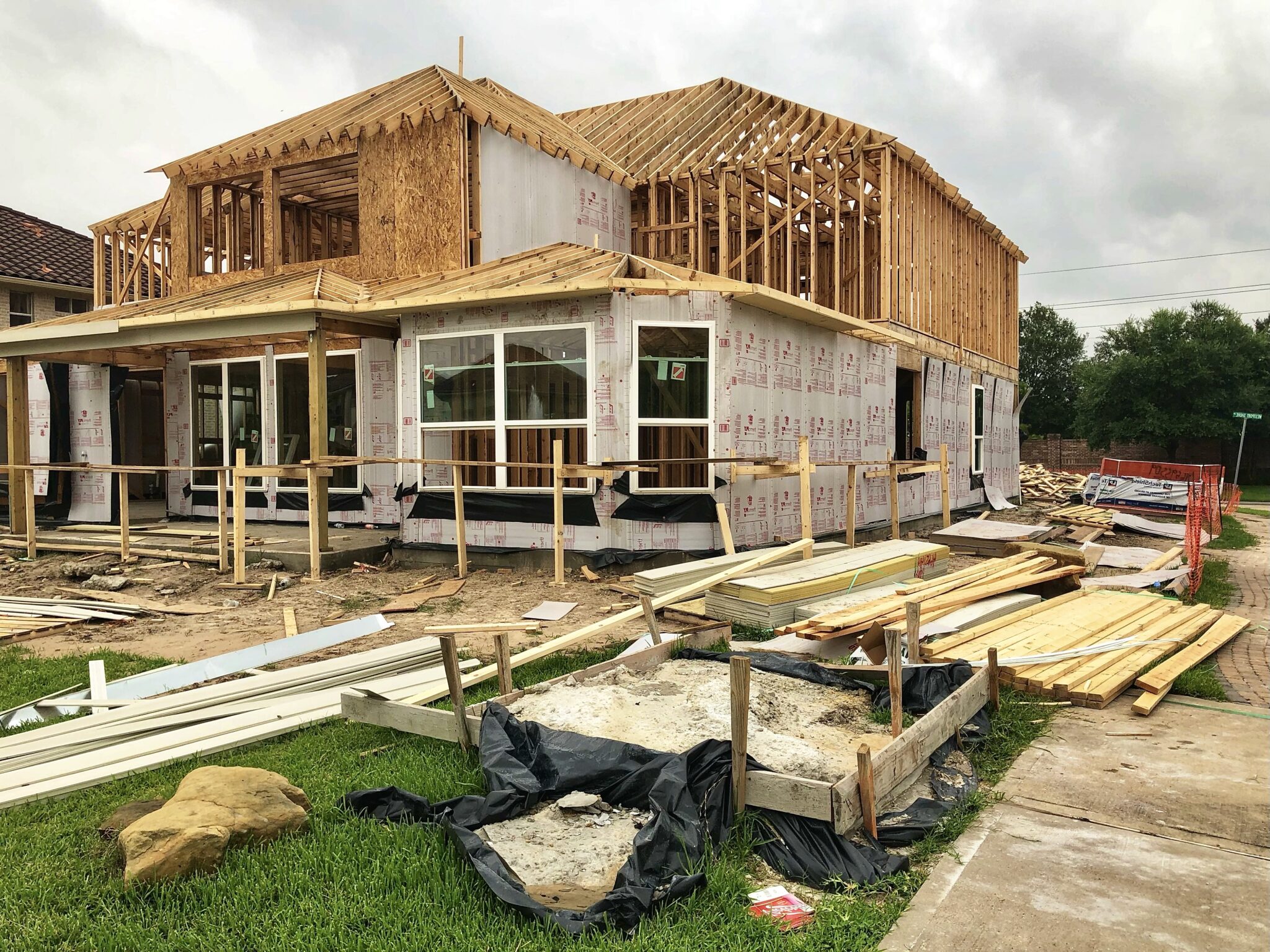
Home addition projects temporarily disrupt your home’s thermal envelope, which is the barrier that separates your climate-controlled interior from the hot, humid outdoor environment. When contractors cut openings in walls, remove sections of roofing, or create access points between your existing home and the construction area, outside heat inevitably enters your living space.
Florida’s intense summer sun, high humidity, and afternoon thunderstorms amplify these challenges. Unlike temperate climates where opening a window might provide relief, Florida summers require continuous air conditioning to maintain comfortable indoor conditions. During construction, your cooling system works harder to compensate for heat gain from exposed areas, dust barriers that block airflow, and the constant opening and closing of exterior doors as workers move materials and equipment.
Understanding these dynamics helps you set realistic expectations and plan effective strategies for maintaining comfort throughout the project. The good news is that with proper preparation and communication with your contractor, you can minimize discomfort and keep your home reasonably cool even during major construction work.
Preparing Your HVAC System Before Construction Begins
Your air conditioning system will work harder during construction than it does under normal circumstances. Taking time to prepare and optimize your HVAC system before work begins helps ensure it can handle the additional load without breaking down during the project.
Schedule a professional HVAC inspection and maintenance service before construction starts. A qualified technician should clean or replace air filters, check refrigerant levels, inspect ductwork for leaks, clean condenser coils, verify thermostat accuracy, and assess overall system performance. Addressing any minor issues now prevents them from becoming major problems when your system is under stress.
Ask your HVAC technician to evaluate whether your current system can handle the temporary increased load from construction. They can recommend whether you need supplemental cooling in certain areas or if adjusting settings will help manage the situation. Some homeowners benefit from adding portable air conditioning units in key living areas during particularly disruptive construction phases.
Consider upgrading to a programmable or smart thermostat if you don’t already have one. These devices allow you to adjust cooling schedules based on when contractors are working, when certain areas are sealed off, and when your family is home. Smart thermostats can also alert you to unusual temperature patterns that might indicate problems requiring attention.
Creating Effective Barriers Between Construction and Living Areas
Professional contractors use temporary barriers to separate active construction zones from occupied areas of your home, but not all barriers are equally effective at blocking heat transfer. Understanding barrier strategies helps you work with your contractor to implement the most effective solutions for your situation.
Heavy-duty plastic sheeting creates basic separation but does little to insulate against heat. Better options include specialized zippered dust barriers that seal more completely, insulated temporary walls that provide both dust control and thermal separation, or foam board panels that block heat transfer more effectively than simple plastic sheets. Discuss barrier options with your contractor and ask about upgraded materials if heat control is a particular concern.
The effectiveness of barriers depends heavily on how completely they seal openings. Even small gaps allow hot air to flow into living areas. Work with your contractor to ensure barriers extend from floor to ceiling, seal tightly around edges, remain closed except when workers need access, and get repaired immediately if tears or gaps develop.
Some construction phases inevitably create more exposure than others. When contractors remove exterior walls or work on roofing, ask about scheduling these high-exposure activities during cooler parts of the day or during milder weather when possible. Early morning work on exterior openings causes less temperature disruption than afternoon work during peak heat hours.
Strategic Use of Fans and Air Circulation
Proper air circulation becomes even more important during construction when barriers and temporary walls disrupt normal airflow patterns throughout your home. Strategic fan placement helps maintain comfortable conditions in living areas while managing the temperature challenges construction creates.
Ceiling fans in occupied rooms should run continuously during construction, set to rotate counterclockwise during summer months to create the cooling breeze effect. The air movement helps occupants feel cooler even if the actual temperature is slightly higher than normal. In rooms without ceiling fans, strategically placed floor fans or box fans can achieve similar results.
Creating cross-ventilation during cooler hours provides relief without relying entirely on air conditioning. Early mornings and late evenings often bring lower temperatures and reduced humidity. Opening windows on opposite sides of your home during these times allows natural airflow to cool the space. Just remember to close windows and resume air conditioning before outdoor temperatures rise.
Portable fans can direct cool air from well-conditioned areas toward rooms that are warmer due to proximity to construction zones. Experiment with fan placement to find configurations that move air effectively through your modified floor plan. Sometimes pointing a fan through a doorway or positioning it to push air along a hallway makes a noticeable difference in room comfort.
Managing Windows and Natural Light Strategically
Windows play a crucial role in both heat gain and ventilation. Managing how you use windows during construction helps control indoor temperatures without sacrificing natural light or fresh air when conditions permit.
South and west-facing windows receive the most intense sun exposure in Florida. During construction, these windows deserve extra attention. Keep blinds, curtains, or shades closed during peak sun hours, typically between noon and six in the evening. This simple step can reduce heat gain significantly, especially in rooms adjacent to construction areas where the air conditioning may already be struggling.
Consider temporary window treatments for the construction period if you normally prefer minimal coverings. Inexpensive options like reflective window film, blackout curtains, or cellular shades provide excellent heat blocking without permanent changes to your home. Many homeowners discover they like the added comfort and reduced cooling costs enough to keep these improvements after construction ends.
North-facing windows receive less direct sun and can often remain uncovered without contributing significantly to heat gain. These windows provide natural light that helps occupied areas feel more pleasant during construction when some rooms might be darker than usual due to barriers or temporary partitions.
Adjusting Daily Routines to Manage Comfort
Living through home addition construction requires some flexibility in how you use your space and structure your daily activities. Small adjustments to routines can make a significant difference in overall comfort levels.
Plan indoor activities during the coolest parts of the day when possible. If contractors work standard daytime hours, early mornings and evenings naturally become the most comfortable times for family activities in affected areas. Some families adjust meal times, shift homework or reading to morning hours, or save television watching for cooler evening hours.
Identify the coolest room or area in your home and designate it as a refuge during particularly hot periods. This might be a bedroom farthest from construction, a basement or lower level if you have one, or a room on the north side of the house. Set up this space with entertainment options, comfortable seating, and activities that allow family members to retreat when other areas feel uncomfortably warm.
Many Florida families spend more time outdoors during construction projects, not less. Covered patios, screened porches, or shaded yard areas often feel more comfortable than indoor spaces affected by construction heat gain. Evening gatherings outside take advantage of cooler temperatures while giving everyone a break from construction disruption. Just remember to account for mosquitoes and other insects when planning outdoor time.
Working With Your Contractor on Temperature Control
Professional contractors understand the comfort challenges construction creates and can implement practices that minimize temperature disruption. Open communication with your contractor about cooling concerns helps them prioritize strategies that make your experience more pleasant.
Discuss the construction schedule and ask whether certain high-impact activities can be timed to minimize heat intrusion. For example, removing sections of exterior walls or roofing might be scheduled for milder weather periods or completed as quickly as possible to reduce exposure time. Some contractors can frame new openings and install temporary coverings in a single day, significantly reducing the period when your home is open to outside temperatures.
Ask your contractor about their standard practices for managing dust barriers and temporary walls. Contractors experienced with occupied-home renovations understand that effective barriers benefit everyone by containing construction mess while helping maintain temperature separation. If you notice barriers that have come loose or developed gaps, mention this promptly so they can be repaired.
Understand when and why contractors need access to your HVAC system. Sometimes construction requires temporarily shutting off air conditioning while electrical work is performed or ducts are modified. Knowing about these interruptions in advance allows you to plan accordingly, perhaps scheduling time away from home or preparing alternative cooling strategies for those periods.
Addressing Hot Spots and Problem Areas
Even with good planning, certain areas of your home may become uncomfortably warm during construction. Identifying and addressing these hot spots makes the overall experience much more manageable.
Rooms directly adjacent to construction zones naturally experience more temperature fluctuation than distant areas. If bedrooms or main living spaces fall into this category, consider shifting sleeping arrangements temporarily or creating alternative spaces for daily activities. Many families move children into cooler rooms during construction or set up temporary bedroom arrangements that provide better comfort.
Upper floors and attic spaces in two-story homes face particular challenges during construction, especially if the addition affects roofing or creates openings that allow heat to rise through the house. If possible, minimize use of upper-level rooms during the hottest parts of the day and focus activities on ground-level spaces where temperatures remain more moderate.
Direct sun exposure through temporary openings or construction areas can create intense hot spots in specific locations. Work with your contractor to install temporary shading, reflective barriers, or insulated panels over openings that won’t be immediately enclosed. Even temporary measures make a noticeable difference when they block direct sun from streaming into your living space.
Using Portable Cooling Solutions When Needed
Sometimes standard air conditioning simply cannot keep up with the heat load that construction creates. Portable cooling solutions provide relief without requiring permanent changes or major expense.
Portable air conditioning units can cool specific rooms or areas that are struggling with heat gain from nearby construction. These units work best in rooms that can be relatively well-sealed, as they need to exhaust hot air outside through a window or other opening. While not as efficient as central air conditioning, portable units effectively target problem areas during the weeks or months when construction affects normal cooling patterns.
Evaporative coolers, sometimes called swamp coolers, can work in Florida’s climate during periods of lower humidity, typically in winter and early spring months. These devices cool air through water evaporation and work best in well-ventilated spaces. While not suitable for sealed, air-conditioned rooms, evaporative coolers can make covered outdoor areas or semi-enclosed spaces more comfortable.
Cooling towels, personal fans, and other individual comfort devices help family members cope with temporary warmth. These simple solutions prove especially valuable for children, elderly family members, or anyone particularly sensitive to heat. Keeping these items readily available throughout the house ensures everyone can access relief when needed.
Maintaining Good Air Quality Alongside Temperature Control
Construction generates dust and airborne particles that affect air quality, and strategies for managing temperature must balance cooling needs with maintaining clean, breathable air. The relationship between ventilation, filtration, and cooling requires thoughtful management during construction.
Change your HVAC air filters more frequently during construction than you would normally. Construction dust can clog filters quickly, reducing airflow and forcing your system to work harder. Check filters weekly during active construction phases and replace them as soon as they show signs of significant dust accumulation. Higher-quality filters capture more particles but may need even more frequent replacement during construction.
Portable air purifiers in main living areas help maintain air quality while doors and barriers are frequently opened and closed. Look for units with HEPA filters that capture fine particles effectively. Position purifiers in rooms where your family spends the most time, particularly bedrooms where clean air contributes to better sleep quality.
Understand the trade-off between ventilation and cooling. Opening windows to increase fresh air circulation raises indoor temperatures and humidity levels, requiring more air conditioning to restore comfort. During construction, most families find that keeping windows closed and relying on air conditioning with frequent filter changes provides the best balance of comfort and air quality.
Managing Humidity During Construction
Florida’s high humidity presents challenges beyond simple temperature control. Construction can introduce additional moisture into your home through exposed openings, wet materials, or disrupted vapor barriers. Managing humidity alongside temperature helps prevent mold growth and maintains comfort.
Dehumidifiers in main living areas help control moisture levels during construction. Aim to keep indoor humidity between forty and fifty percent for optimal comfort and to discourage mold growth. Portable dehumidifiers can be moved to problem areas and are particularly valuable in rooms close to construction zones where humidity might be higher.
Alert your contractor immediately if you notice signs of excess moisture like condensation on windows, musty odors, or damp feelings in the air. These conditions can indicate that construction has compromised moisture barriers or that temporary coverings are allowing rain or humidity to enter the home. Professional contractors will address moisture issues promptly to prevent damage and maintain healthy indoor conditions.
Your air conditioning system naturally removes moisture from the air as it cools. This dehumidification effect provides another reason to keep the system running consistently during construction rather than trying to save money by turning it off. The combination of cooling and dehumidification maintains the comfort and air quality your family needs.
Planning for Extreme Heat Days
Central Florida experiences heat waves when temperatures remain exceptionally high for extended periods. Having a plan for extreme heat days helps you maintain safety and reasonable comfort even when construction compounds the challenge.
Identify cooling centers or alternative locations where your family can spend time during the hottest hours on extreme heat days. This might include libraries, shopping centers, movie theaters, or homes of friends and family. Sometimes spending a few afternoon hours in a cool, comfortable environment makes returning to a warm house much more tolerable.
Stock your refrigerator with cold drinks and refreshing snacks that help everyone stay cool and hydrated. Ice water, cold fruit, popsicles, and other cooling foods provide both physical and psychological comfort during hot periods. Proper hydration becomes especially important when indoor temperatures are higher than normal.
Communicate with your contractor about extreme heat forecasts. Some construction activities generate additional heat through equipment use or seal off areas in ways that worsen temperature problems. On days when heat advisories are in effect, contractors might adjust schedules, modify activities, or implement extra measures to minimize heat impact on your living spaces.
Preparing for Construction Completion and System Recovery
As construction nears completion and your addition becomes enclosed and climate-controlled, your home’s cooling demands gradually normalize. The transition period requires attention to ensure your HVAC system recovers properly and your newly expanded home maintains comfortable temperatures.
Schedule another HVAC inspection once construction is complete. This post-construction service should include thorough filter replacement, duct cleaning if construction dust infiltrated the system, verification that airflow is balanced throughout the expanded home, and confirmation that the system adequately cools the new addition. Your HVAC professional can identify any adjustments needed now that the full square footage is being conditioned.
Monitor temperatures throughout your home during the first weeks after construction completion. Some settling and adjustment is normal as the new addition integrates with your existing HVAC system. If certain rooms remain persistently warmer or cooler than others, this might indicate that ductwork needs balancing, insulation adjustments are needed, or other modifications would improve performance.
Many homeowners discover that their cooling costs stabilize at levels lower than during construction but slightly higher than before the addition. This is normal and reflects the increased square footage being cooled. Modern construction techniques and materials typically ensure that additions are well-insulated and efficient, but the larger space naturally requires more energy to maintain comfortable temperatures.
Learning From the Experience
Living through home addition construction during a Florida summer teaches valuable lessons about your home’s cooling needs and reveals strategies that continue to provide benefits long after construction ends. Many families discover improvements to their daily routines and home management practices that they choose to maintain permanently.
The heightened attention to HVAC maintenance during construction often inspires homeowners to maintain more rigorous filter replacement schedules, schedule regular professional maintenance, and stay alert to signs that the system needs attention. These habits extend the life of cooling equipment and maintain efficiency that saves money on energy costs.
Window management strategies developed during construction frequently prove valuable year-round. If you discovered that keeping south-facing windows covered during afternoon hours made a significant difference, maintaining this practice after construction reduces cooling costs permanently. Small changes to how you manage your home’s sun exposure can have meaningful impacts on comfort and energy consumption.
The experience of adapting to temperature challenges during construction often reveals which rooms or areas of your home serve best for different activities during different times of day. These insights can inform how you use your expanded space once the addition is complete, helping you maximize both comfort and the investment you’ve made in enlarging your home.
Frequently Asked Questions About Staying Cool During Construction
Will my air conditioning system be damaged by working harder during construction?
Modern air conditioning systems are designed to handle varying loads and can typically manage the temporary increased demand from construction without damage. The key is ensuring your system receives proper maintenance before and during construction, including regular filter changes and addressing any issues promptly. If you’re concerned about your system’s age or capacity, discuss this with your HVAC professional before construction begins.
Should I invest in a larger air conditioning system before starting my addition?
For most addition projects, your existing HVAC system can handle the temporary construction period without upgrades. However, once your addition is complete, you may need to assess whether your system has adequate capacity for the increased square footage. Discuss this with both your contractor and HVAC professional during the planning phase so you can budget for any necessary upgrades to be completed as part of the overall project.
How much will my electricity bills increase during construction?
Most homeowners see electricity increases of twenty to forty percent during active construction phases, though this varies based on project scope, season, and how much additional cooling is needed. The increase is temporary and bills typically return to normal levels once construction is complete. Planning for this temporary cost increase helps you budget appropriately for the overall project.
Can I turn off the air conditioning when contractors aren’t working to save money?
This approach usually backfires in Florida’s climate. Turning off air conditioning allows heat and humidity to build up rapidly, and your system then works extremely hard to restore comfortable conditions, often using more energy overall than maintaining steady cooling. A better approach is raising the thermostat slightly when you’re away from home but keeping the system running to maintain baseline comfort.
What should I do if I notice mold or mildew during construction?
Alert your contractor immediately if you see or smell mold. Construction should not create mold problems if proper moisture barriers and ventilation are maintained. Your contractor should investigate the source, address any moisture intrusion, clean affected areas, and implement measures to prevent recurrence. Mold issues require prompt attention to protect both your home and your family’s health.
How can I help my pets stay comfortable during construction?
Pets can struggle with heat just like humans. Ensure pets have access to the coolest areas of your home, provide plenty of fresh water throughout the day, and consider pet-safe cooling mats or elevated beds that allow air circulation. Some homeowners arrange temporary pet care during particularly disruptive construction phases to reduce stress on animals.
Summary
Maintaining comfortable temperatures during home addition construction in Florida requires planning, flexibility, and good communication with your contractor. By preparing your HVAC system, implementing effective barriers, managing windows and ventilation strategically, and adjusting daily routines, you can minimize discomfort during the construction period.
Remember that temperature challenges during construction are temporary. The skilled contractors at Magnet Remodeling work efficiently to minimize disruption and implement practices that help maintain your comfort throughout the project. With proper preparation and realistic expectations, you can successfully navigate the construction period and look forward to enjoying your beautiful new addition in climate-controlled comfort.
The strategies outlined in this guide have helped countless Central Florida families stay cool and comfortable while expanding their homes. Each project presents unique challenges, but the fundamental principles of preparation, barrier effectiveness, strategic cooling, and open communication with your contractor remain constant.