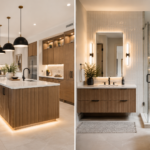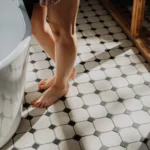
When it comes to designing or remodeling a bathroom, tile isn’t just another surface—it’s the backbone of the entire space. It influences the vibe, affects the feel underfoot, and determines how much time you’ll spend maintaining it down the line. For those seeking quality bathroom upgrades, your tile choice isn’t just about aesthetics; it’s about functionality, comfort, safety, and longevity. And the tile material you select will impact all of those things, more than you might expect. That’s why choosing the right tile material for your bathroom is step one in building a bathroom that not only looks beautiful but also works for the way you live.
Understanding the Demands of Bathroom Tiles
Before selecting the perfect tile, it’s essential to understand how your bathroom environment affects performance. From moisture and foot traffic to safety and longevity, each factor plays a role in how well your tiles hold up over time. Here’s what to consider:
Functionality: Before you dive into color palettes and finishes, take a step back and consider what your bathroom is really up against. Bathrooms are unique environments where high humidity, constant moisture, and frequent temperature swings are just part of daily life. The tile for your bathroom needs to withstand this constantly changing, often wet environment.
Water resistance: Bathroom tiles must handle splashes, spills, and steam, especially in wet areas like shower walls, shower floor, and around tub surrounds. But not all tiles resist water equally—some absorb moisture, which can lead to staining, mold, and eventual cracking. That’s a disaster waiting to happen, especially if you’re not diligent with maintenance.
Slip resistance: Smooth, glossy tiles might look sleek, but the last thing you want is to slip after stepping out of the shower. In areas where water frequently meets the floor, a tile with adequate slip resistance can make a huge difference in safety, particularly if kids, seniors, or bare feet are involved.
Durability. Bathroom floors deal with more wear than you’d think—daily foot traffic, dropped toiletries, hot tools, and heavy humidity can all take a toll. Your floor tile needs to be harder and tougher than, say, a decorative wall tile. Wall tiles don’t need to be walked on, so they can afford to be a bit more delicate or decorative. The shower niche, on the other hand, demands a material that’s tough, waterproof, and mold-resistant. And don’t forget backsplashes—they’re small, high-impact areas where you can prioritize design while still needing easy-clean surfaces.
Each part of the bathroom asks something different of your tile choices, and choosing the right tile materials for each zone sets the foundation for a successful, long-lasting bathroom renovation.
The Most Popular Tile Materials—and What You Need to Know About Each One
Let’s get into the tile materials themselves. Bathroom tile options come in a wide variety of types, and each one brings its strengths, quirks, and ideal use cases. Understanding these differences is crucial to making a wise choice.
1.Ceramic Tile
Ceramic tile is often the first material people consider—and with good reason. These ceramic tiles are versatile, relatively inexpensive, and easy to maintain. Ceramic is fired clay, often coated in a durable glazed ceramic finish that makes it water-resistant. It works beautifully on bathroom walls and light-traffic bathroom floors. If you’re renovating on a budget or looking for a wide selection of styles, ceramic is a great place to start. However, it’s not as hard as other tile materials, so it may chip or crack more easily if something heavy is dropped on it.
2.Porcelain Tile
If you need something tougher, porcelain tile is a stronger, more water-resistant cousin to ceramic. It’s fired at a higher temperature, making it denser, less porous, and suitable for high-moisture areas like bathroom flooring and showers. These porcelain tiles are among the most durable on the market. Porcelain and ceramic tiles together offer a range of aesthetic and functional benefits. Though heavier, they’re excellent for tile flooring and larger tiles also reduce the number of grout lines, simplifying cleaning.
3.Natural Stone
Then there’s natural stone—materials like marble tile, slate, travertine, and granite. These natural stone tiles are undeniably stunning and can make your bathroom feel like a luxurious retreat. However, they come with added responsibilities. Because stone is porous, it needs to be sealed to remain stain-resistant. Natural stone tiles can also vary in color and texture, adding intricate patterns and visual richness to your space.
4.Glass Tile
If you’re drawn to tile colors, sparkle, and visual texture, glass tile might be your dream material. Often used for accent walls, feature walls, or pattern layout, they reflect natural light beautifully. While easy to clean, they can show more streaks than ceramic tiles and require precision during installation.
5.Luxury Vinyl Tile
One of the newer and more underestimated tile choices in the bathroom design world is luxury vinyl tile. It’s come a long way, now mimicking natural wood, stone, or even subway tile looks with impressive detail. It’s waterproof, budget-friendly, and great for bathroom flooring. Just ensure it’s compatible with underfloor heating, as some types may warp.
Just keep in mind that material choice can influence your overall budget more than you expect. For a deeper look at potential costs, check out this guide on hidden remodeling costs before making your final tile selections.
Your Most Common Tile Questions—Answered
Naturally, as you dig into choosing bathroom tile, you’ll come up with questions. You want something that looks great but also fits your lifestyle.
Slippage:
Worried about slipping? Go for textured porcelain and ceramic tiles or slate with adequate slip resistance. Always check the slip rating—especially important for small tiles on shower floors or smaller tiles with more grout lines. Look for tiles rated specifically for wet areas, especially in bathrooms used by kids or seniors. Installing a patterned tile with a matte finish can also add both style and grip to slippery zones.
Maintenance:
If you want a low-maintenance option, choose ceramic tiles or porcelain tiles. They’re easy to clean and stain-resistant. These materials resist mold and mildew buildup, making them perfect for high-humidity environments. Using a darker grout color can also help reduce visible staining between tiles.
Heat Compatibility:
Wondering about heat compatibility? Porcelain, natural stone, and even ceramic tile are ideal. Just verify your product specs. They pair well with radiant heating systems, offering comfort and energy efficiency in colder climates. Avoid low-grade vinyl or laminate, which may warp or become discolored under high heat.
Grout Features:
And yes, grout matters. Smaller grout lines, the right grout color, and avoiding dark grout or dark colored grout in some instances can keep your space looking fresh. Choosing the same tile or the same shade on bathroom floor tile and walls can visually expand a room.
Performance vs. Aesthetics: Finding the Right Balance
Design and function often clash. A light colored tile shows more dirt but brightens a space. Dark tiles hide messes but may shrink the feel of the room. A matte finish or matte finishes offer grip and a soft look, perfect for grounding a sleek space. Consider mixing materials—tile flooring with patterned tile accents, or large tiles on the floor tile and smaller tiles on vertical surfaces.
When choosing bathroom floors, think about how your lighting will interact with your tile choices—natural light enhances glossy tiles, while matte surfaces can absorb and soften glare. Your personal style should guide your combinations of texture, color, and layout. Intricate patterns or unusual shapes may offer personality, but can overwhelm smaller bathrooms. Striking the right balance between practicality and beauty ensures your bathroom feels cohesive and comfortable.
Hidden Costs and Long-Term Factors
Selecting tiles isn’t just about looks. Large tiles or natural stone tiles may increase installation costs due to their weight. Maintenance varies—ceramic tiles and vinyl are nearly maintenance-free. Over time, choose tiles that won’t chip, scratch, or fade. Even tile size and the number of square feet required can impact your budget.
Factor in the cost of underlayment, adhesives, and professional labor, especially when working with heavy or delicate tiles. Don’t forget about ongoing costs like resealing natural stone or refreshing grout lines. The wrong tile in the wrong zone can lead to water damage or safety issues down the road. Planning helps avoid surprise expenses and ensures long-term satisfaction with your bathroom flooring.
Questions You Should Ask Your Contractor or Supplier
When choosing tiles, ask about PEI ratings, water absorption, and COF (slip rating). For quality assurance, select tiles from trusted manufacturers and inquire about warranties. Especially when using other tiles like glass or patterned tile, understand their limitations.
Also, ask about the best grout for your tile material—options like epoxy may offer better durability in wet zones. Clarify the recommended cleaning products to avoid damaging your tiles or finishes. Ask whether the tile is rated for both wall and floor use, as not all materials are interchangeable. Finally, discuss pattern layout and transitions—professional insight here can elevate your bathroom’s design.
Transform Your Bathroom with Magnet Remodeling
Ready to bring your dream bathroom to life with the perfect tile? At Magnet Remodeling, we combine expert craftsmanship with premium tile materials to ensure your space is as functional as it is beautiful. Choose bathroom tiles with confidence—contact us now to get started!